-
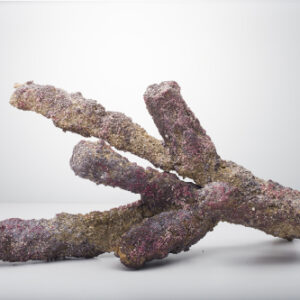 Caribsea LifeRock Branch 20lb
×
$143.101 × $143.10
Caribsea LifeRock Branch 20lb
×
$143.101 × $143.10 -
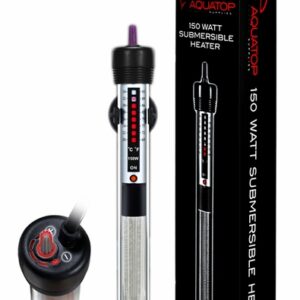 AquaTop 150w Submersible Heater
×
$16.991 × $16.99
AquaTop 150w Submersible Heater
×
$16.991 × $16.99 -
 API pH Up 4oz
×
$7.081 × $7.08
API pH Up 4oz
×
$7.081 × $7.08 -
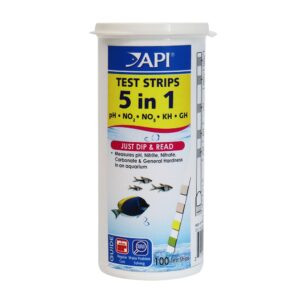
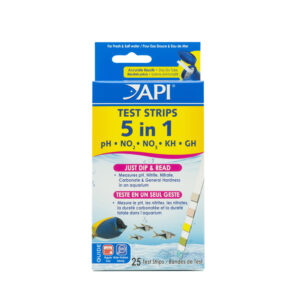 API 5-in-1 Aquarium Test Strips 25ct FW/SW
×
$38.943 × $12.98
API 5-in-1 Aquarium Test Strips 25ct FW/SW
×
$38.943 × $12.98 -
 API pH Test Strips 25ct FW/SW
×
$38.943 × $12.98
API pH Test Strips 25ct FW/SW
×
$38.943 × $12.98 -
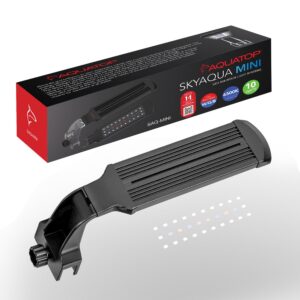 Aquatop SkyAqua 10" Mini Clamp On LED Light
×
$34.991 × $34.99
Aquatop SkyAqua 10" Mini Clamp On LED Light
×
$34.991 × $34.99 -
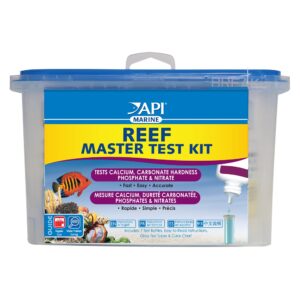 API Reef Master Test Kit
×
$35.981 × $35.98
API Reef Master Test Kit
×
$35.981 × $35.98 -
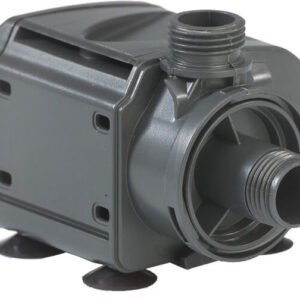 Sicce Multi Quiet 1300 Aquarium Pump 320gph
×
$49.991 × $49.99
Sicce Multi Quiet 1300 Aquarium Pump 320gph
×
$49.991 × $49.99 -
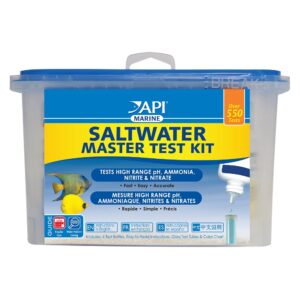 API Saltwater Master Test Kit
×
$71.962 × $35.98
API Saltwater Master Test Kit
×
$71.962 × $35.98 -
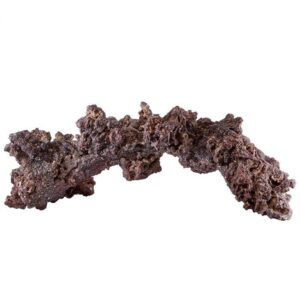 CaribSea LifeRock XL Arch 24"
×
$220.001 × $220.00
CaribSea LifeRock XL Arch 24"
×
$220.001 × $220.00 -
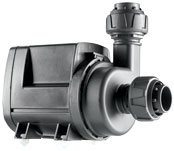 Sicce Syncra ADV 9.0 Aquarium Pump 2500gph
×
$269.991 × $269.99
Sicce Syncra ADV 9.0 Aquarium Pump 2500gph
×
$269.991 × $269.99 -
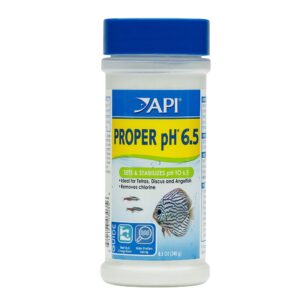 API Proper pH 6.5 Powder Small
×
$11.181 × $11.18
API Proper pH 6.5 Powder Small
×
$11.181 × $11.18 -
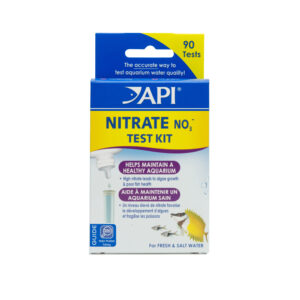 API Nitrate Test Kit FW/SW
×
$13.981 × $13.98
API Nitrate Test Kit FW/SW
×
$13.981 × $13.98 -
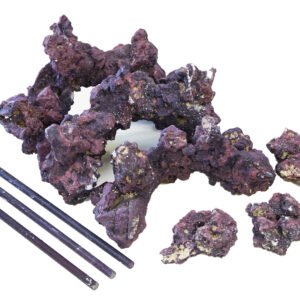 CaribSea LifeRock Reef Forest Extension Kit
×
$158.421 × $158.42
CaribSea LifeRock Reef Forest Extension Kit
×
$158.421 × $158.42

$1,111.54
19
Cart