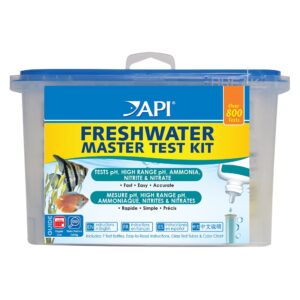
-
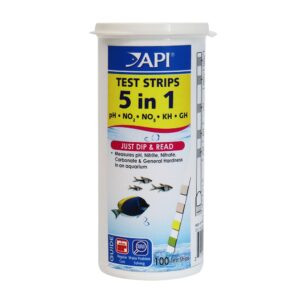 API 5-in-1 Aquarium Test Strips 100ct FW/SW
×
$24.981 × $24.98
API 5-in-1 Aquarium Test Strips 100ct FW/SW
×
$24.981 × $24.98 -
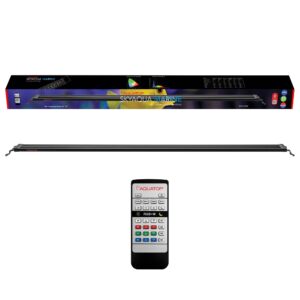 Aquatop SkyAqua Marine LED 36-42 inch 33W LED Light
×
$109.991 × $109.99
Aquatop SkyAqua Marine LED 36-42 inch 33W LED Light
×
$109.991 × $109.99 -
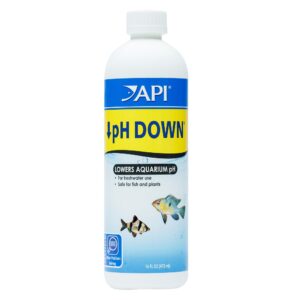 API pH Down Prof. Size 16oz
×
$14.681 × $14.68
API pH Down Prof. Size 16oz
×
$14.681 × $14.68 -
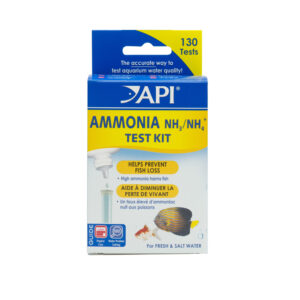 API Ammonia Test Kit FW/SW
×
$15.481 × $15.48
API Ammonia Test Kit FW/SW
×
$15.481 × $15.48 -
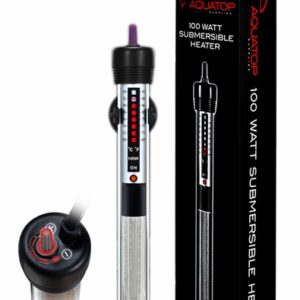 AquaTop 100w Submersible Heater
×
$14.991 × $14.99
AquaTop 100w Submersible Heater
×
$14.991 × $14.99 -
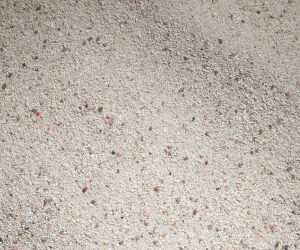 Caribsea Fiji Pink Reef Sand 15lb
×
$21.361 × $21.36
Caribsea Fiji Pink Reef Sand 15lb
×
$21.361 × $21.36 -
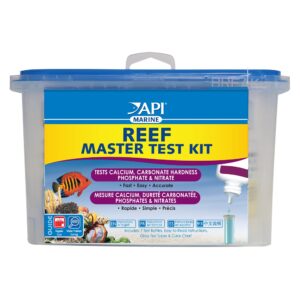 API Reef Master Test Kit
×
$35.981 × $35.98
API Reef Master Test Kit
×
$35.981 × $35.98 -
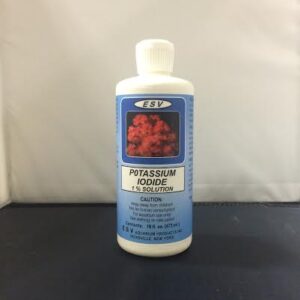 ESV 16oz Potassium Iodide Solution
×
$13.361 × $13.36
ESV 16oz Potassium Iodide Solution
×
$13.361 × $13.36 -
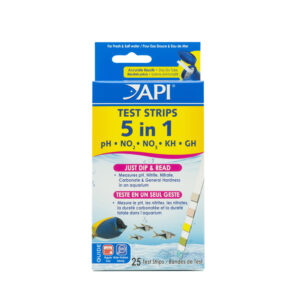 API 5-in-1 Aquarium Test Strips 25ct FW/SW
×
$12.981 × $12.98
API 5-in-1 Aquarium Test Strips 25ct FW/SW
×
$12.981 × $12.98 -
 Continuum AquaBlade P Acrylic Blade 30pk
×
$43.781 × $43.78
Continuum AquaBlade P Acrylic Blade 30pk
×
$43.781 × $43.78 -
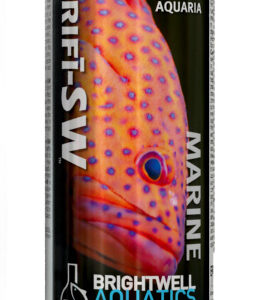 Brightwell SW Clarifi 250ml
×
$9.461 × $9.46
Brightwell SW Clarifi 250ml
×
$9.461 × $9.46 -
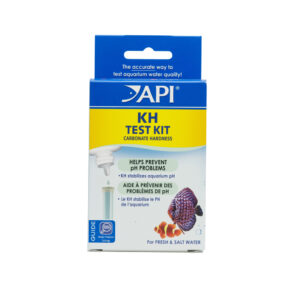 API KH Test Kit FW/SW
×
$8.981 × $8.98
API KH Test Kit FW/SW
×
$8.981 × $8.98

$326.02
12
Cart