-
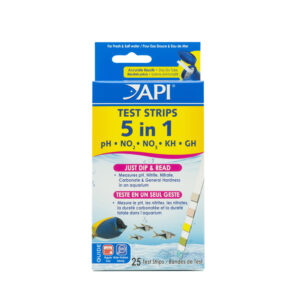
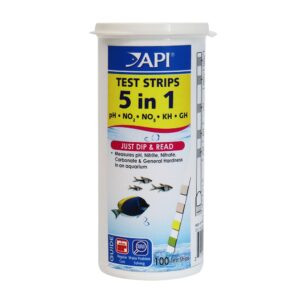 API 5-in-1 Aquarium Test Strips 100ct FW/SW
×
$24.981 × $24.98
API 5-in-1 Aquarium Test Strips 100ct FW/SW
×
$24.981 × $24.98 -
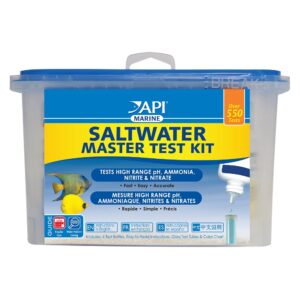 API Saltwater Master Test Kit
×
$35.981 × $35.98
API Saltwater Master Test Kit
×
$35.981 × $35.98 -
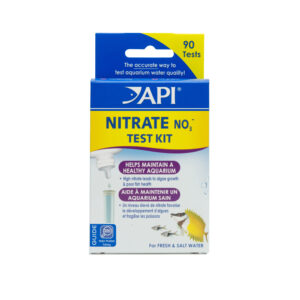 API Nitrate Test Kit FW/SW
×
$13.981 × $13.98
API Nitrate Test Kit FW/SW
×
$13.981 × $13.98 -
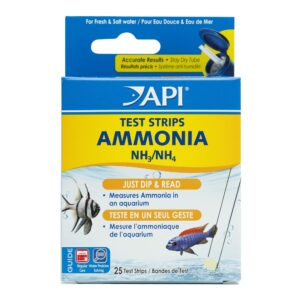 API Ammonia Test Strips 25ct FW/SW
×
$16.981 × $16.98
API Ammonia Test Strips 25ct FW/SW
×
$16.981 × $16.98 -
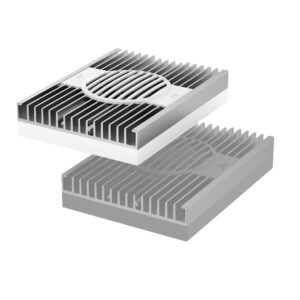 AI White Hydra 32HD
×
$428.681 × $428.68
AI White Hydra 32HD
×
$428.681 × $428.68 -
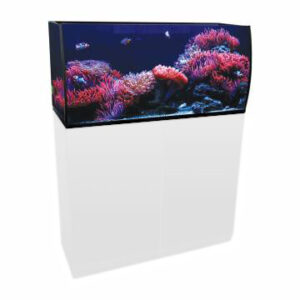 AquaTop Bowfront Arc 30 g Bundled Tank Kit 36"x13"x16"
×
$677.991 × $677.99
AquaTop Bowfront Arc 30 g Bundled Tank Kit 36"x13"x16"
×
$677.991 × $677.99 -
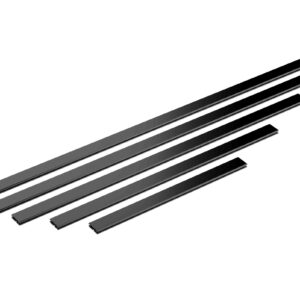 Ai HMS 72" Rail
×
$114.861 × $114.86
Ai HMS 72" Rail
×
$114.861 × $114.86 -
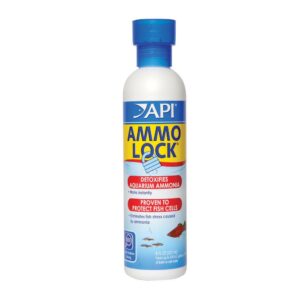 API Ammo Lock 8oz
×
$10.981 × $10.98
API Ammo Lock 8oz
×
$10.981 × $10.98 -
 API pH Test Strips 25ct FW/SW
×
$12.981 × $12.98
API pH Test Strips 25ct FW/SW
×
$12.981 × $12.98 -
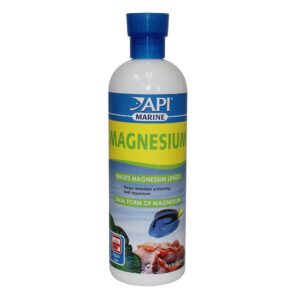 API Marine Magnesium 16oz
×
$12.981 × $12.98
API Marine Magnesium 16oz
×
$12.981 × $12.98 -
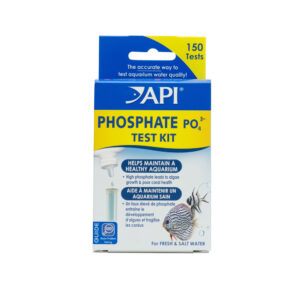 API Phosphate Test Kit FW/SW
×
$14.981 × $14.98
API Phosphate Test Kit FW/SW
×
$14.981 × $14.98

$1,365.37
11
Cart